
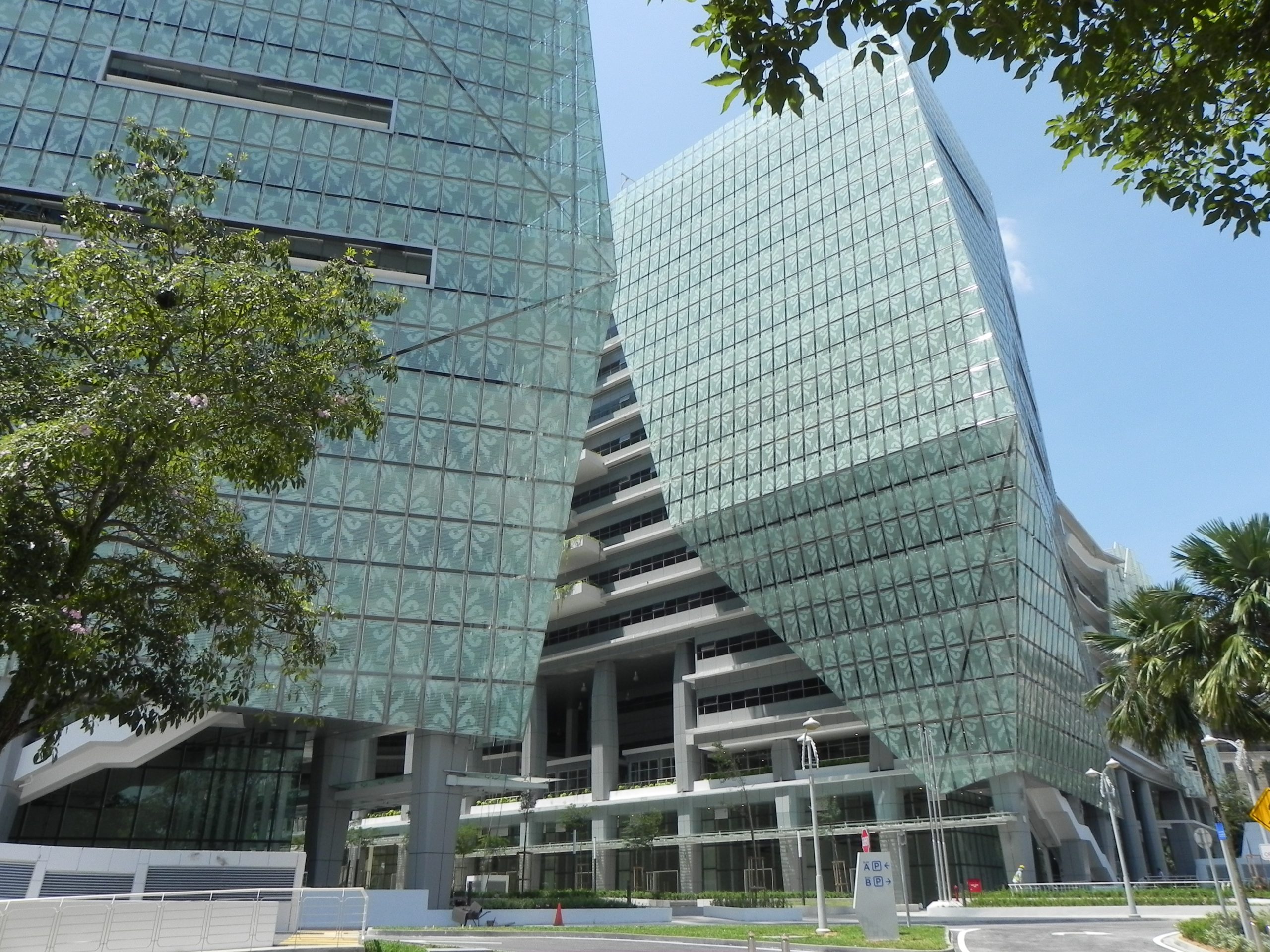
Product Description
Nam Heng Safety Glass (NHG) Ceramic Frit Glass is ideal for architectural and commercial applications. The process involves screen printing ceramic frit paint onto the glass and fusing it during the heat treatment process. This technique provides flexibility in design, allowing for various patterns and colours that enhance visual impact, control solar heat gain, reduce glare, and offer privacy.
Nam Heng Safety Glass (NHG) Ceramic Frit Glass is produced by applying ceramic paint to the glass surface and melting the colourant into the glass in a tempering furnace, ensuring a durable and vibrant finish. A wide range of designs and colours is available to meet customer needs. The glass can be used as heat-treated, laminated, or double-glazed glass.
Product Overview
|
Sizes:
(W) x (H)
|
Minimum: 300 x 300mm
Maximum: 2400 x 4500mm
|
|---|---|
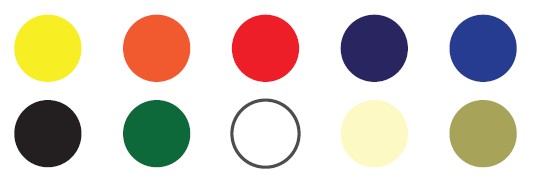
| Color Options: |
|
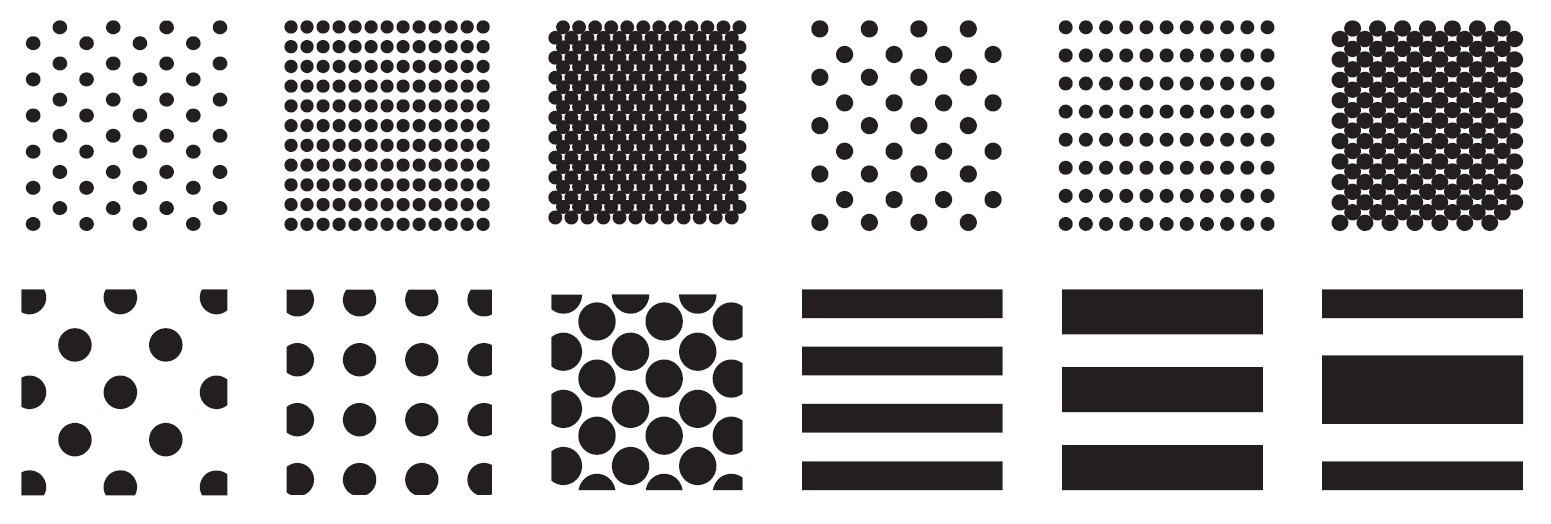
| Pattern Options: |
|
Specification
| Scratch Resistant: | The coating, fused to the glass during the heat treatment process, cannot be scratched off. |
|---|---|
| Fade Resistant: | The coating’s colour is highly durable and resistant to fading in harsh climates. |
| Energy Saving: | Ceramic coated glass insulates against solar heat, potentially reducing air conditioning costs. |
| Wide Range of Colours & Patterns: | Offers a variety of standard colours and patterns, with custom colours available upon special request. |
| Reduce Solar Transmission: | Designed to minimise solar transmission. |
| Lightweight Building Materials: | Serves as a substitute for stone, tile, or metal plates, reducing structural load on external walls and simplifying glazing. |
Characteristic
| What is Silk-Screened Ceramic Frit Glass? | Silk-Screened Ceramic Frit Glass is glass with a pattern or design created by screen printing ceramic frit paint and fusing it during the heat treatment process. |
|---|---|
| Why Choose Silk-Screened Ceramic Frit Glass? | Offers a wide range of designs and colours providing aesthetic appeal. |
| How is Silk-Screened Ceramic Frit Glass Made? | It is made by applying ceramic paint to the glass and melting it into the surface in a tempering furnace. |
Ideal for/ Product Application
| Facade: | Ideal for creating visually appealing and energy-efficient building exteriors. |
|---|---|
| Auto Glass: | Provides durability and design flexibility in automotive applications. |
| Graphics Glass for Interior Partitions: | Perfect for adding privacy and design elements to commercial interiors. |
Performance Features
| Strength and Durability: | It offers good scratch resistance, with a harder surface than ordinary glass, making it durable in high-traffic areas like cooktops. |
|---|---|
| UV and Infrared Filtering: | Filters UV and infrared radiation while maintaining transparency for visibility in applications such as stove or fireplace doors, remaining unaffected by high temperatures. |
| Aesthetic Appeal: | Offers an attractive glossy surface for architectural and design applications and is customisable in various tints and colours. |
| Energy Efficiency: | Provides thermal insulation, improving energy efficiency in ovens and stoves. |
| Acoustic Properties: | Effective for soundproofing and sound insulation, especially when combined with laminated glass. |
| Environmental Resistance: | Can withstand harsh weather without losing structural integrity, making it suitable for outdoor applications. |