
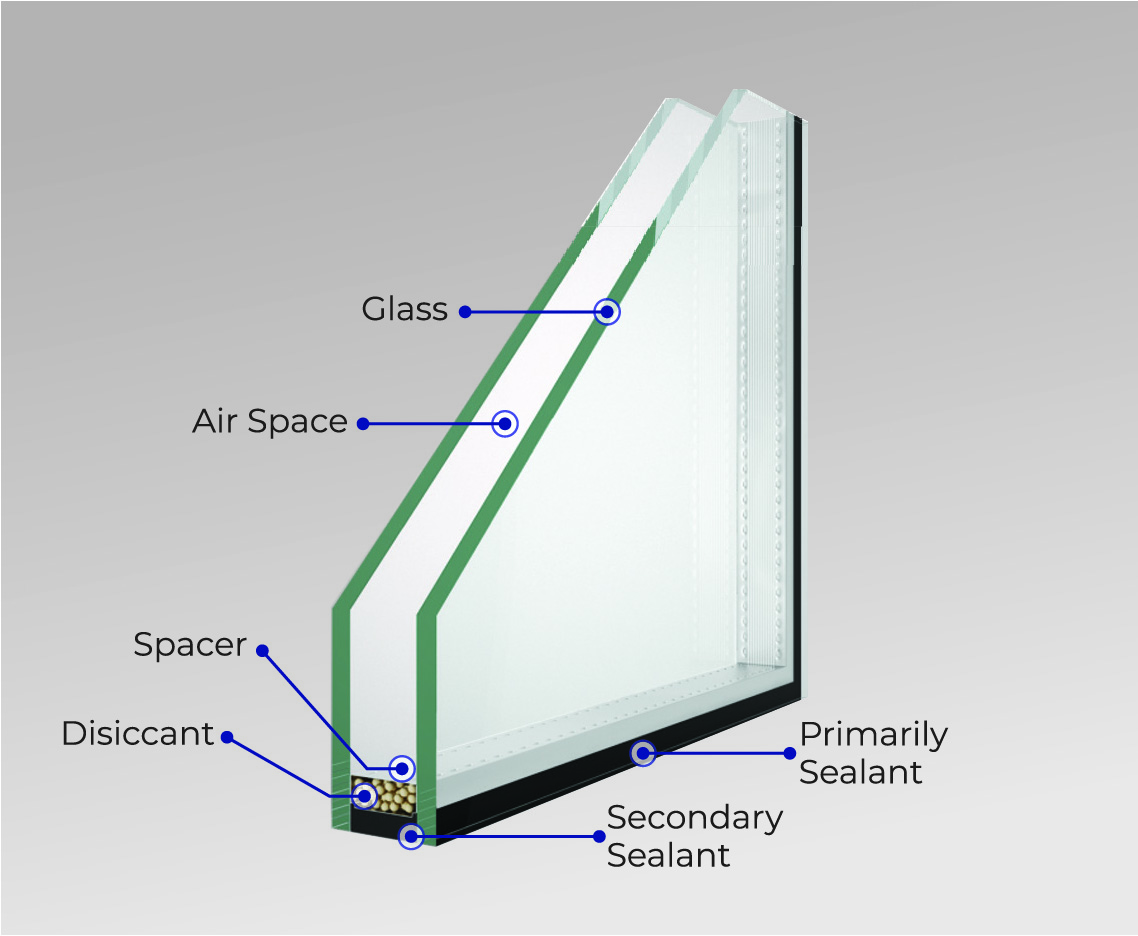
Product Description
Nam Heng Safety Glass (NHG) Insulating Glass Unit (IGU) is made from two or more layers of glass panels, bonded with a spacer bar filled with desiccant and sealed with butyl sealant and a secondary sealant to create an insulated space.
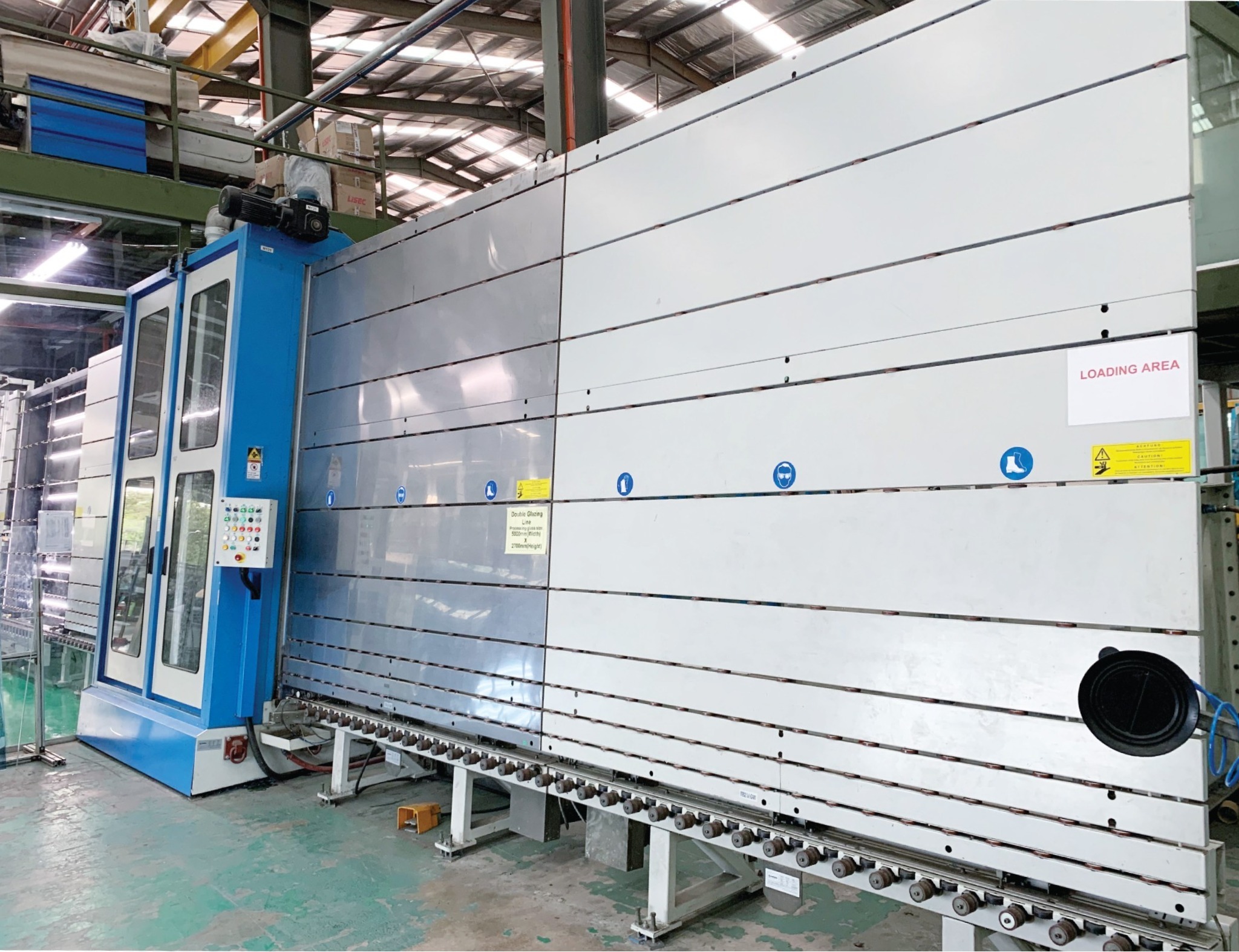
By combining Low-E coatings, standard and high-performance tinted glass, solar control glass, silk-screened ceramic glass, laminated glass, and more, a wide variety of insulating glass unit configurations is available to meet diverse performance and aesthetic needs. The insulating glass units can feature annealed, heat-strengthened, tempered, or laminated glass. Our IG machine line can produce or assemble double and triple insulating glass units, with heights up to 2.7 m and a total length of 5 m, using all types of flat glass, including common clear, tinted, wired, laminated, tempered, and super low-E glass.
Product Overview
Specification
| Production Capacity: | Double and triple insulating glass units, with a height up to 2.7 m and a total length of 5 m. Provides safety and durability for glass flooring and stair applications. |
|---|---|
| Glass Types Available: | Common clear, tinted, wired, laminated, tempered, and Super Low-E. |
Characteristic
| What is Insulated Glass? | An Insulated Glass consists of two or more glass panels separated by a spacer bar filled with desiccant and sealed with butyl and secondary sealants. |
|---|---|
| Why Choose Insulated Glass? | It provides effective insulation with options for Low-E coatings, tinted glass, and other specialised glass types for various performance and aesthetic needs. |
| How is Insulated Glass Made? | Two or more layers of glass panels are bonded with a spacer bar, filled with desiccant, and sealed with butyl and secondary sealants to create an insulated space. |
Ideal for/ Product Application
| Residential windows | Skylights |
| Doors | Glass partitions |
| Commercial facades |
Performance Features
| Reduced Heat Transfer: | The air or gas-filled space between the glass panes acts as a thermal barrier, reducing heat flow and improving temperature regulation, which lowers buildings’ carbon footprints. |
|---|---|
| Energy Efficiency: | Insulated Glass Minimise heat loss and gain, leading to lower energy consumption for heating and cooling, resulting in reduced utility bills. |
| Low-E Coatings: | These coatings reflect infrared heat without blocking visible light, keeping interiors warmer in winter and cooler in summer. |
| Sound Insulation: | Insulated Glass significantly reduces external noise, making them suitable for noisy environments like urban areas and near highways. |
| Improved Acoustic Comfort: | They create a quieter indoor atmosphere, beneficial for homes, offices, and schools. |
| Condensation Resistance: | The insulating space minimises condensation on the glass, reducing the risk of mould and mildew while keeping the inner pane closer to room temperature. |
| UV Protection: | Insulated Glass blocks harmful UV rays, protecting furnishings and artworks from fading. |
| Weather Resistance: | Sealed units resist moisture, air, and contaminants, maintaining performance against harsh conditions over time. |
Performance Features
| Improved Energy Efficiency: | Insulated Glass significantly lowers energy costs, especially in colder climates. |
|---|---|
| Solar Heat Gain Control: | Solar control coatings manage solar heat entering buildings, improving comfort and reducing air conditioning needs. |
| Visible Light Transmission: | These coatings optimise daylight while minimising unwanted heat. |
| Safety Glazing: | Combining Insulated Glass with laminated or tempered glass improves impact resistance in high-rise buildings and public spaces. |
| Comfort and Aesthetic Appeal: | Insulated Glass regulates indoor temperatures, reducing drafts and ensuring a stable climate while providing excellent optical clarity and customisation options. |
| Support for Green Building Standards: | Insulated Glass is crucial for achieving certifications like LEED and BREEAM, enhancing building sustainability. |
| Customisable: | Insulated Glass can be tailored with various glass types, gas fills, and coatings to meet specific requirements. |