
Product Description
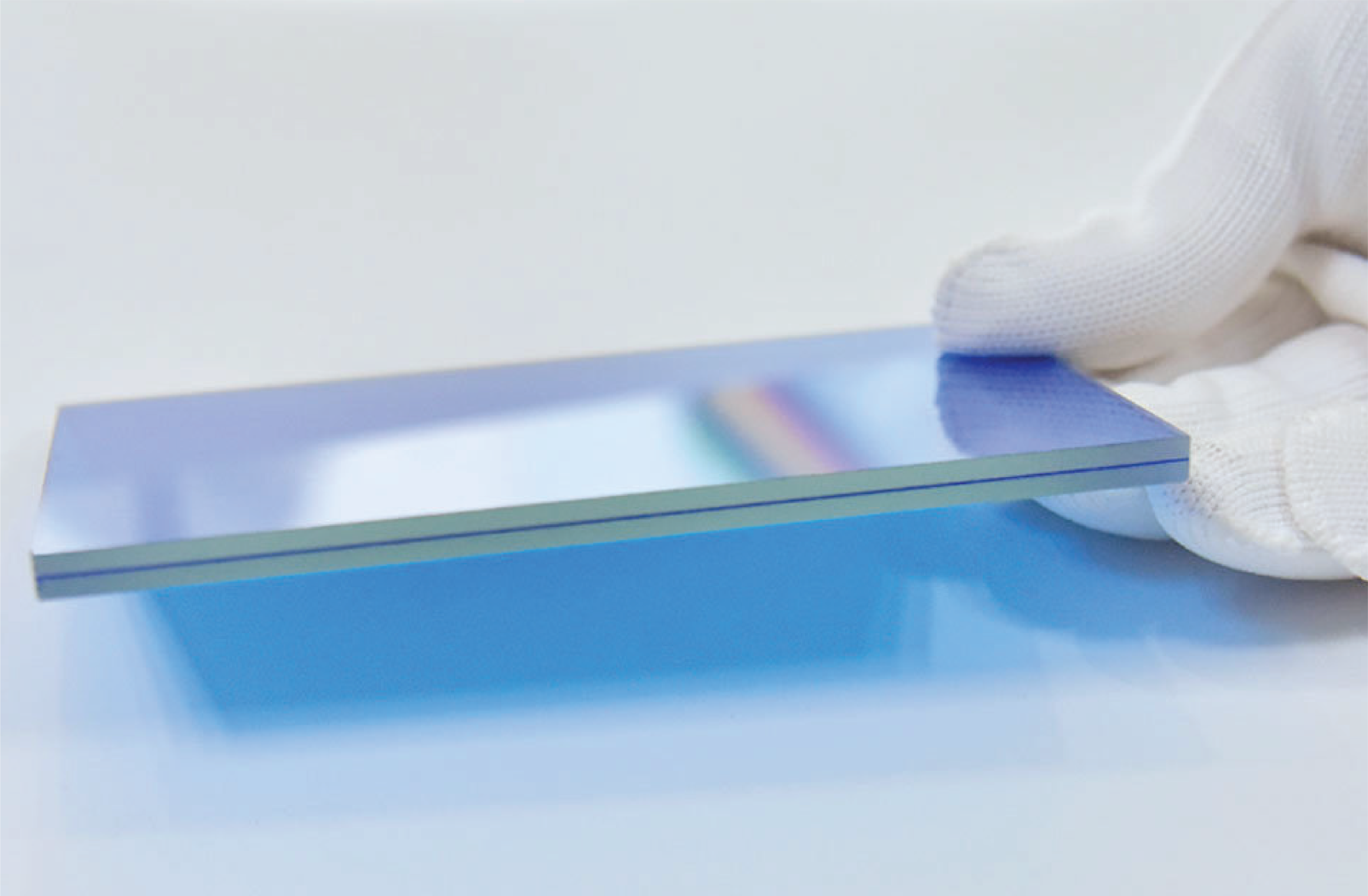
Nam Heng Safety Glass (NHG) Laminated Glass is ideal for transportation and architectural applications. It undergoes a heating process that causes it to break into small, harmless ‘chunks’ rather than sharp, jagged shards, enhancing safety.
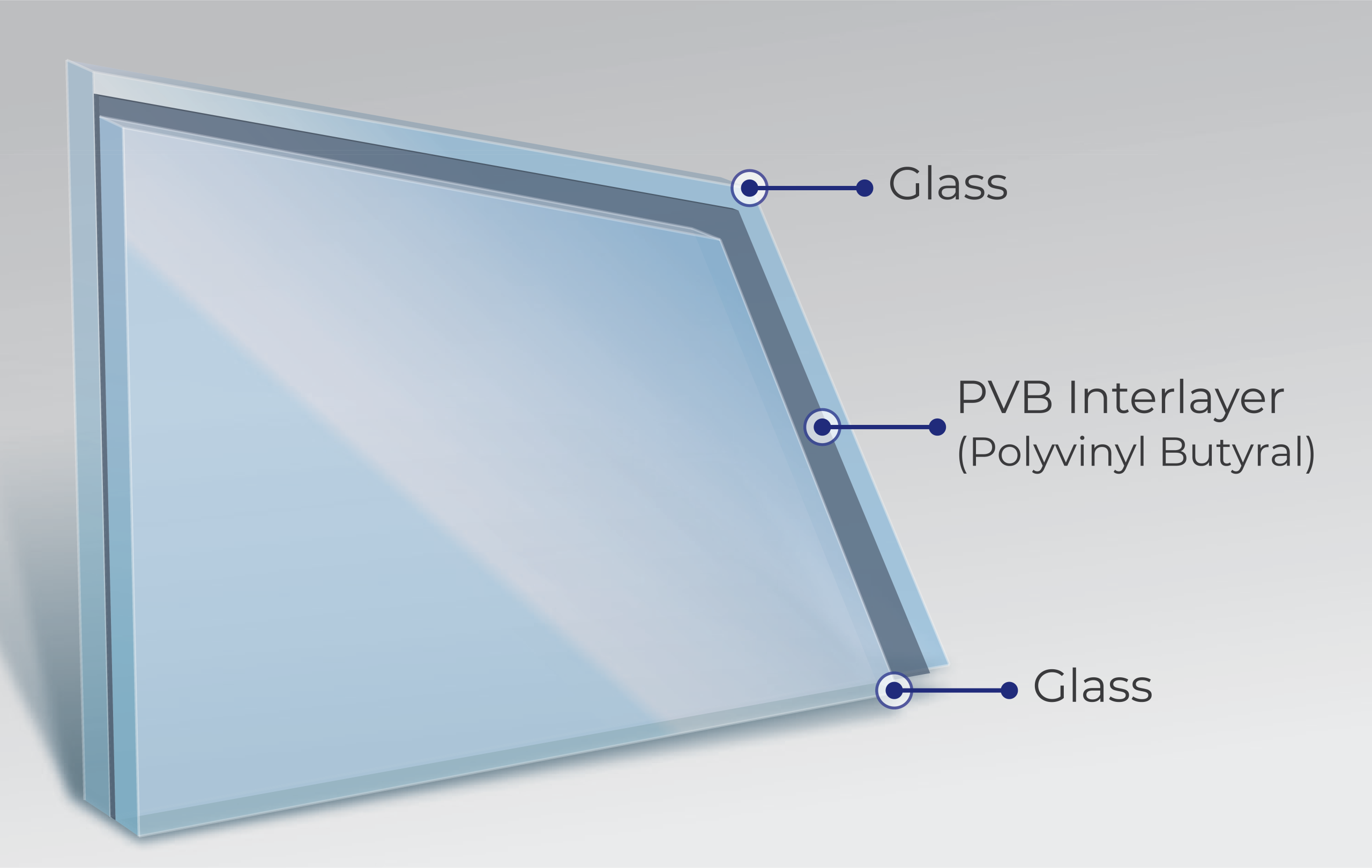
For enhanced safety and security, laminated glass is an effective solution. It consists of two or more panes of glass bonded with a durable plastic interlayer, such as polyvinyl butyral (PVB). This design helps the glass resist impacts and keeps broken pieces in place, reducing the risk of injury. Laminated glass can be customised in various thicknesses and compositions to meet specific needs.
Product Overview
|
Sizes:
(W) x (H)
|
Minimum: 300 x 300mm
Maximum: 3000 x 8000mm
*Subject to glass type and thickness
|
||||||||||
|---|---|---|---|---|---|---|---|---|---|---|---|
| Thickness:: |
|
Compliance(s)
| EN 356 for burglar-resistant glass. |
| ANSI Z97.1 for safety glazing. |
Characteristic
| What is Laminated Glass? | Laminated Glass consists of two or more panes of glass bonded together with a durable plastic interlayer, Polyvinyl Butyral (PVB). |
|---|---|
| Why Choose Laminated Glass? | Enhanced safety, security, UV control and sound reduction features. |
| How is Laminated Glass Made? | Laminated Glass is made by bonding two or more panes of glass with a durable plastic interlayer, such as polyvinyl butyral (PVB). This construction resists impact penetration and keeps broken pieces in place, reducing the risk of injury. |
Ideal for/ Product Application
| Skylights: | Provide overhead natural light. |
|---|---|
| Windows: | Offer light, ventilation, and better views. |
| Greenhouses: | Enable optimal light for plant growth. |
| Balustrades: | Safety barriers for stairs and balconies. |
| Large Aquariums: | Clear barrier for large aquatic tanks. |
| Curtain Walls: | Glass facades for buildings. |
| Anti-Band Glass: | Resists vandalism and impacts. |
| Slope Glazing: | Glass on sloped surfaces. |
| Bullet-Resistant Glass: | Withstands ballistic impacts. |
| Anti-Theft Showcases: | Secure glass displays for retail. |
Performance Features
| Blast and Impact Resistance: | It can withstand blasts and heavy impacts, making it suitable for high-risk areas such as government buildings and embassies. |
|---|---|
| Shatter Resistance: | In the event of breakage, the interlayer holds the glass together, reducing the risk of injury. This makes laminated glass ideal for car windscreens, windows, and doors. |
| Intrusion Resistance: | Harder to penetrate than regular glass, enhancing security against break-ins and vandalism. |
| UV Ray Protection: | Blocks up to 99% of UV rays, protecting interiors from fading and deterioration. |
| Energy Efficiency: | Reduces solar heat gain, helping to maintain cooler indoor temperatures. |
| Noise Reduction: | The interlayer provides effective sound insulation, reducing external noise from traffic and absorbing sound vibrations making it suitable for studios and hospitals. |
| Durability and Strength: | It can withstand extreme temperatures and prevents overheating, making it suitable for high-rise buildings, balconies, and skylights. |
| Security Glazing Options: | Can be reinforced with additional layers for bullet-resistant glass, suitable for banks, armoured vehicles, and government buildings. |
Performance Features
| Anti-Shatter Protection: | Retains integrity after impact, crucial for public safety in schools and airports. |
|---|---|
| Transparency and Clarity: | Maintains optical clarity and transparency, suitable for shop fronts, facades, and skylights. |
| Customizable Appearance: | Available in various tints, patterns, and colours. |
| Windscreen Safety for Automotive and Transportation: | Commonly used for windscreens, it cracks but holds together, reducing the risk of injury in accidents. |
| Rail and Aviation: | Used in trains and aircraft for its strength, safety, and sound insulation. |
| Weather Resistance: | Provides hurricane protection and is resistant to wind, rain, and temperature changes. It performs well in harsh climates, resisting high winds and debris. |
| Fire Performance: | Some laminated glass types have fire- resistant interlayers that delay fire spread, ideal for fire doors and partitions. |
| Thermal Barrier: | Can be combined with insulating glass to reduce heat transfer and improve energy efficiency. |
| Solar Control: | Tinted or Low-E coatings can reduce solar heat gain, lowering cooling demands in hot climates. |
| Safety Compliance: | It also complies with international standards such as EN 356 for burglar-resistant glass and ANSI Z97.1 for safety glazing. |
| Durability and Longevity: | Resistant to moisture, UV radiation, and weathering for long-term performance. |
| Low Maintenance: | Easy to clean and maintain, with the interlayer protecting against wear and tear. |