
Product Description
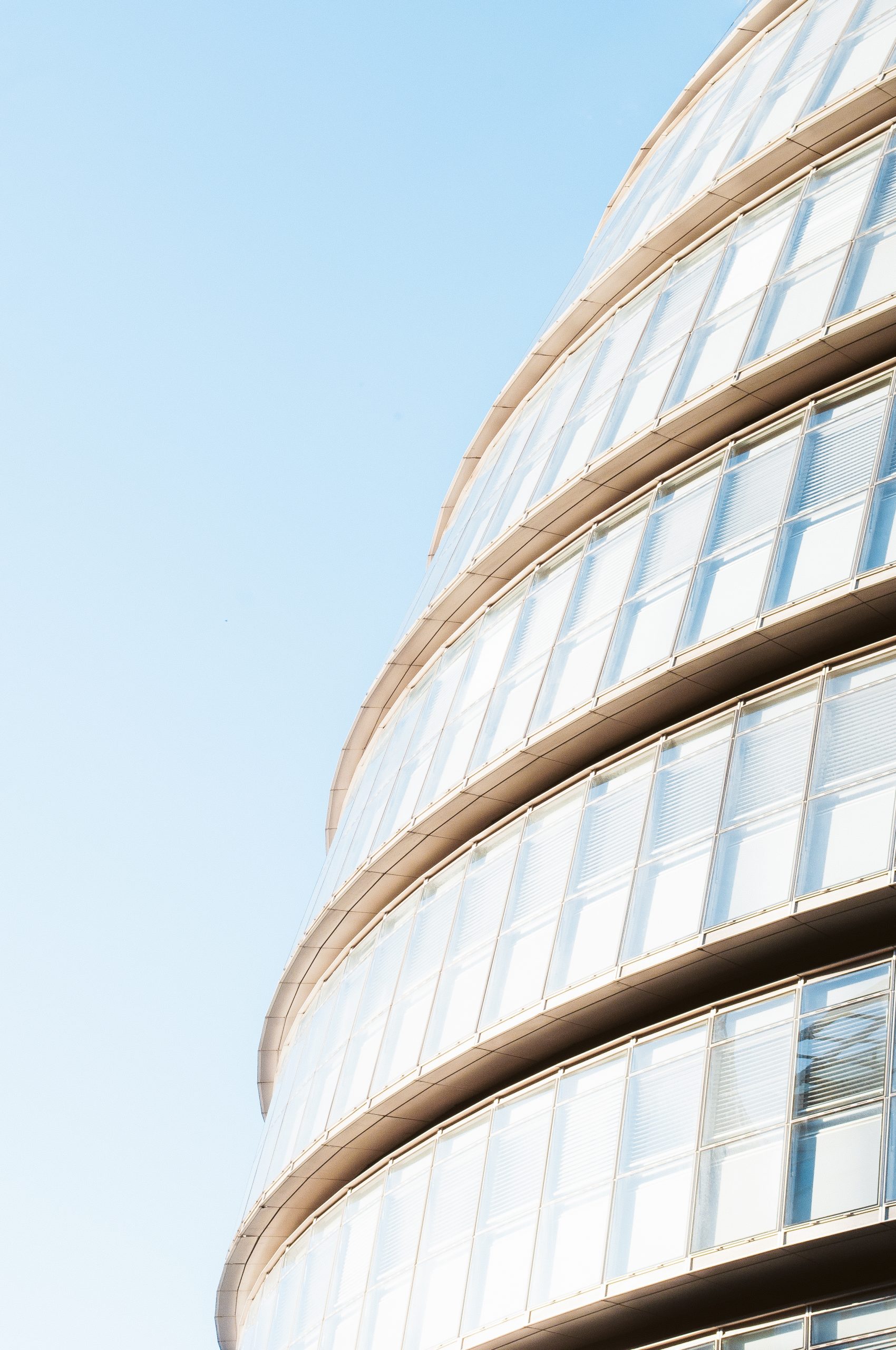
Nam Heng Safety Glass (NHG) Heat-soaked Glass is designed to minimise the risk of breakage due to nickel sulphide inclusions. During the heat soaking process, the glass is subjected to elevated temperatures of 260°C ±10°C for approximately two hours, which effectively reduces the likelihood of spontaneous breakage.
We offer a Heat-soaked Test Service in compliance with BS EN 14179-2016. Our tempered heat soaked glass is 3 - 5 times stronger than annealed glass, ensuring high safety and durability. Although rare instances of breakage may still occur, specifying the heat soak test during design significantly enhances the glass’s reliability and safety.
Product Overview
|
Sizes:
(W) x (H)
|
Minimum: 300 x 300mm
Maximum: 3000 x 8000mm
|
|---|---|
| Thickness: | 6 - 19mm |
Specification
| Standard Compliance: | BS EN 14179-2016. |
|---|---|
| Strength: | 3-5 times stronger than annealed glass. |
Characteristic
| What is Heat-soaked Glass? | Heat-soaked Glass is tempered glass that has been exposed to elevated temperatures to reduce the risk of spontaneous breakage due to nickel sulphide inclusions. |
|---|---|
| Why Choose Heat-soaked Glass? | Heat-soaked Glass is chosen for its enhanced safety, as it significantly reduces the risk of spontaneous breakage, and it is 3-5 times stronger than annealed glass, meeting the BS EN 14179-2016 standards. |
| How is Heat-soaked Glass Made? | Heat-soaked Glass is made by heating tempered glass to 260°C ±10°C and holding it at this temperature for two hours to reduce the risk of spontaneous breakage. |
Ideal for/ Product Application
| Frameless Tempered Glass Doors: | Increased safety for residential and commercial entrances. |
|---|---|
| Curtain Walls: | High-rise building facades where wind load resistance is critical. |
| Windows: | Reliable and durable glazing for residential and commercial buildings. |
| Showcases: | Secure and strong glass for displaying valuable items in shops and museums. |
| Escalator Side Panels: | Improved safety in shopping centres and transport hubs. |
| Shop Fronts: | Aesthetic and strong glass for retail displays. |
| Balustrades: | Safe and robust glass for staircases and balconies. |
| Elevator Panels: | Durable and safe glass for lift enclosures. |
Characteristic
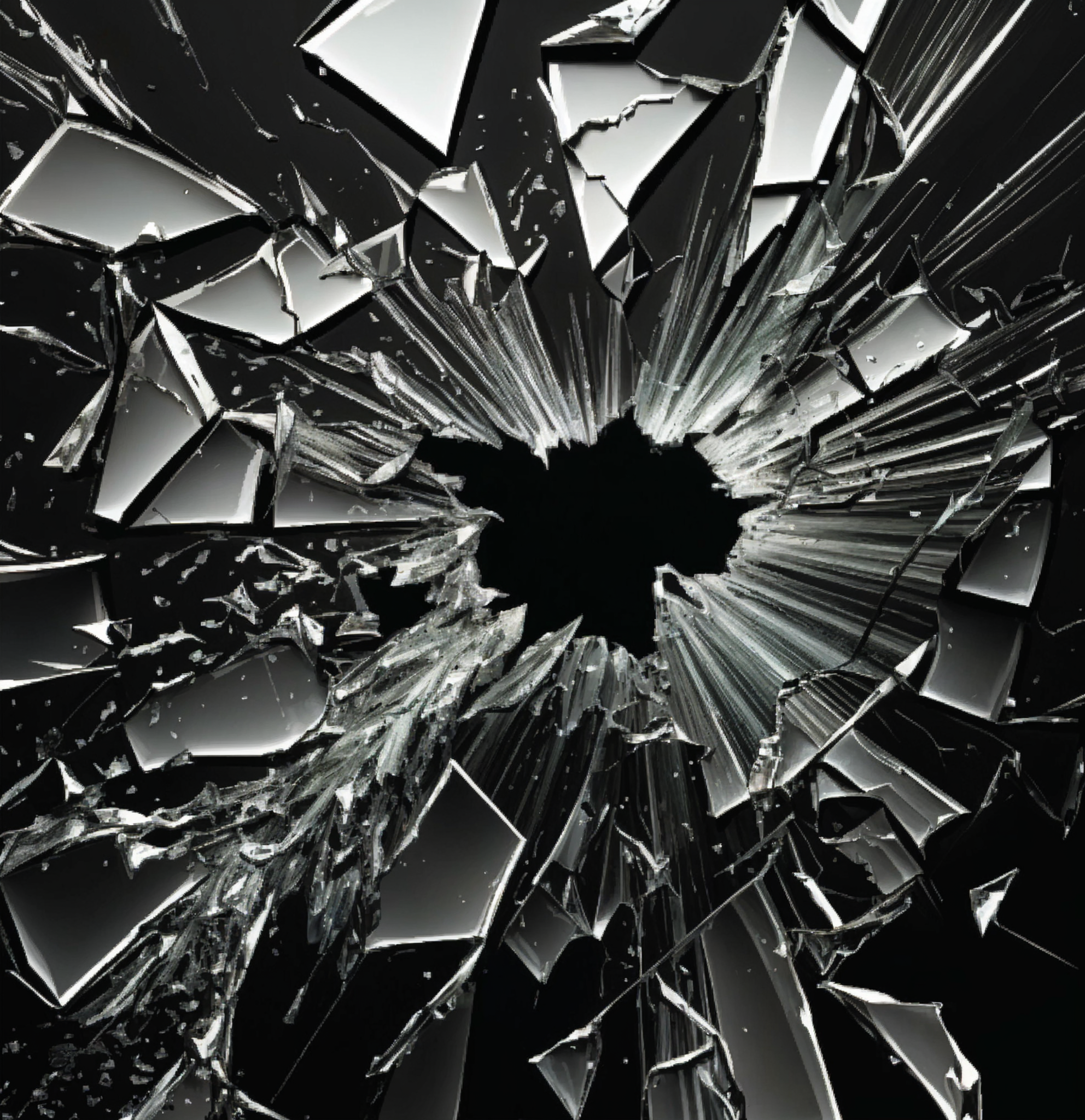
| Controlled Fragmentation: | Heat-soaked glass shatters into small, blunt pieces, reducing the risk of injury from sharp shards. |
|---|---|
| Temperature Tolerance: | Able to withstand high temperatures and sudden changes, making it ideal for facades and windows in high-rise buildings. |
| Resistance to Thermal Stress: | Heat-soaked glass can endure significant thermal stress, suitable for environments with extreme temperature differences, such as sun-facing windows and industrial applications. |
| Resistance to Wind and Load: | In applications like curtain walls, glass canopies, and railings, heat-soaked glass exhibits improved strength under wind pressure and heavy loads, minimising the risk of spontaneous breakage. |
| Durability and Longevity: | The heat soak process eliminates defective glass, ensuring long-term stability and structural integrity, which is crucial for building projects where glass is a key component. |
| Resistance to Environmental Factors: | Heat-soaked glass is durable against UV exposure, humidity, and temperature changes, performing well in both interior and exterior settings. |
| Reduced Maintenance and Replacement: | Although the heat- soaking process adds to production costs, it saves on long- term maintenance by preventing costly post-installation breakages, minimising downtime for repairs, especially in large-scale installations. |
| Preservation of Aesthetic Properties: | The heat-soaking process does not compromise the optical clarity or aesthetics of the glass, maintaining the transparency and visual appeal of regular tempered glass for both functional and decorative architectural uses. |